
We humans are creatures of habit, making both good and bad habits during our lifetime. Over time, the habits become automatic, as we go through the actions without conscious thought. Like brushing our teeth or making the bed, washing our hand before eating, and so on. Routines are a bunch of sequential actions connected with a particular activity. For instance, one’s exercise routine can include the activities like going for a walk, doing yoga, meditation, etc. Likewise, there can be a weekend routine, a prayer routine, a bedtime routine, and such.
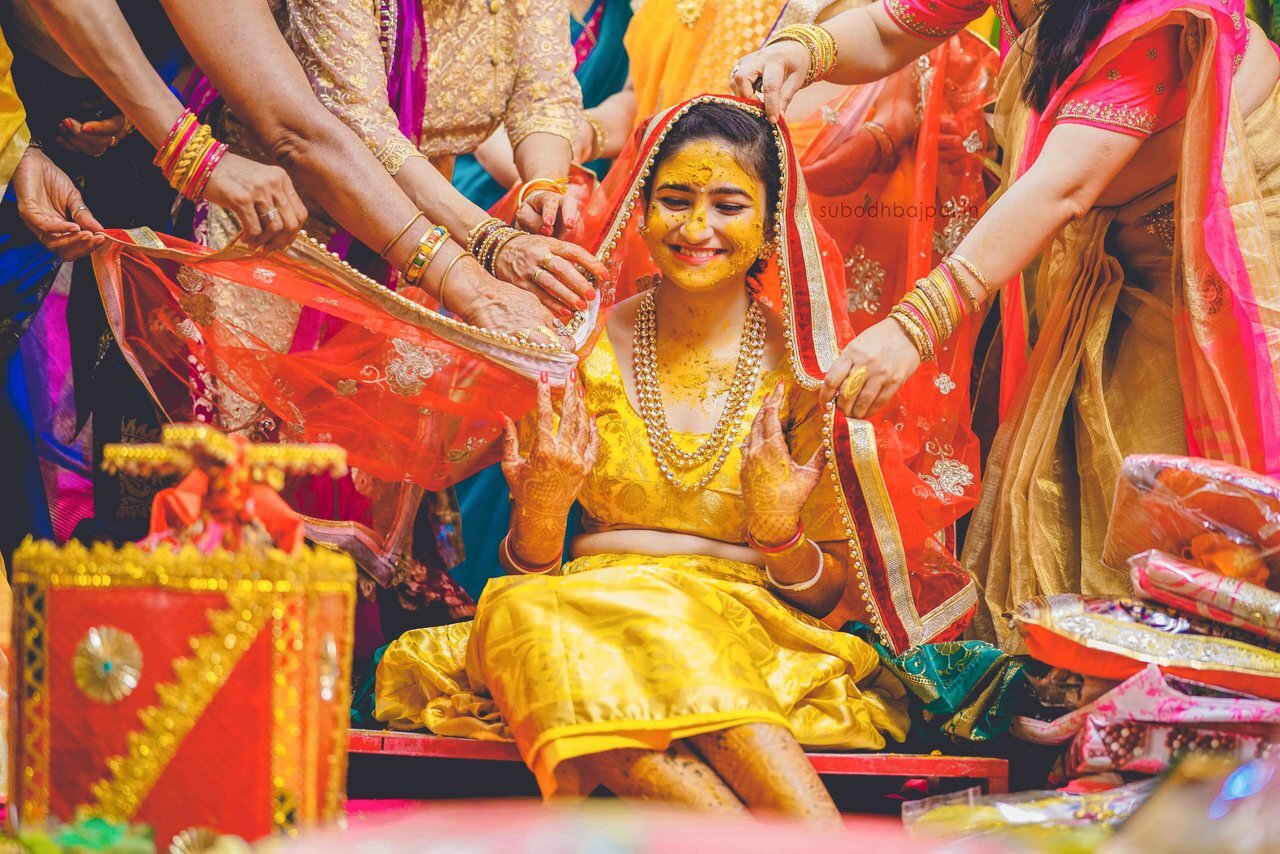
There is a third activity, connected to the above two – ritual. The dictionary meaning of ritual is, “an action, ceremony or process which is always done the same way”. Thus, it is like routine in that it is done at set intervals and involves a sequence of actions or behaviours. The main difference here being that while the other two can be mechanical, rituals have a symbolic meaning are deliberate and intentional. But a routine can easily be converted into a ritual by being mindful or introducing a personal element to it. Likewise, a habit can be made into a ritual by investing it with an intent – a sense of calm, joy, celebration, comfort, and so on.
Note: Though most rituals have nothing to do with religion or religious practices, the word ‘ritual’ is somehow identified with them. It is perhaps due to this reason that rituals are generally dubbed superstitious and even mocked.
Take for example one’s morning cup of coffee. One can mechanically brew the coffee and drink it or make a ritual out of it. It need not be as elaborate as the Japanese tea ceremony — a deeply aesthetic, spiritual and soothing ritual — but can be made mindful nevertheless: Lay out the paraphernalia for making the coffee, deliberately and with an eye to the details. Measure the scoops of the coffee powder into the percolator, and arrange the favourite cup and a couple of biscuits to go with it, on a tray. Inhale the rich aroma of coffee — the perfect blend which you had found recently, while your favourite music is playing softly in the background. Once done, pour it into the cup, and carry it to a comfortable chair in the balcony or near a window and settle down to leisurely savour every sip. Heaven! Such a simple ritual can be an oasis of peace and calm before the hurly-burly of the day starts.
Who has the time, even if just ten minutes, to waste in the mornings, you ask? Why not make it a weekend or holiday ritual then? Morning coffee is just an example. It could be a walk in the park while breathing in Nature, a session of meditation or yoga, listening to an audiobook or podcast during a long commute…..The possibilities are endless and well worth the effort.
How rituals help during stressful and uncertain times:
Many studies have shown that rituals help reduce individual and collective anxieties, especially when we ourselves, our family, or our whole community is facing uncertain times or crisis. Most rituals connected to family, a group or institution provide comfort, familiarity, social connection and a sense of belonging. Anthropologist Bronislaw Malinowski, who had made extensive studies into rituals in many cultures and regions of the world a century ago, found that fishermen in the Papua New Guinea painted their boats in particular colours while chanting some spells before venturing into the deep seas. This practice has been found in other parts of the world, including England. This premise was confirmed by psychologists under other stressful conditions too. Malinowski theorised that many such rituals that appear superstitious are connected to situations and events that are beyond human control, or where success is expected. Malinowski also came across several African tribes which had social rituals — from greeting people to hosting them, as part of their culture. (Read the article here).
In another experiment involving two groups of students who were to take an exam, one was asked to hum a bar or sing songs as they waited, and the other group was not given any task. At the end of the waiting period, the group that sat silently had raised blood pressure and exhibited signs of anxiety, while the group that had been singing had significantly lower stress levels and blood pressure.
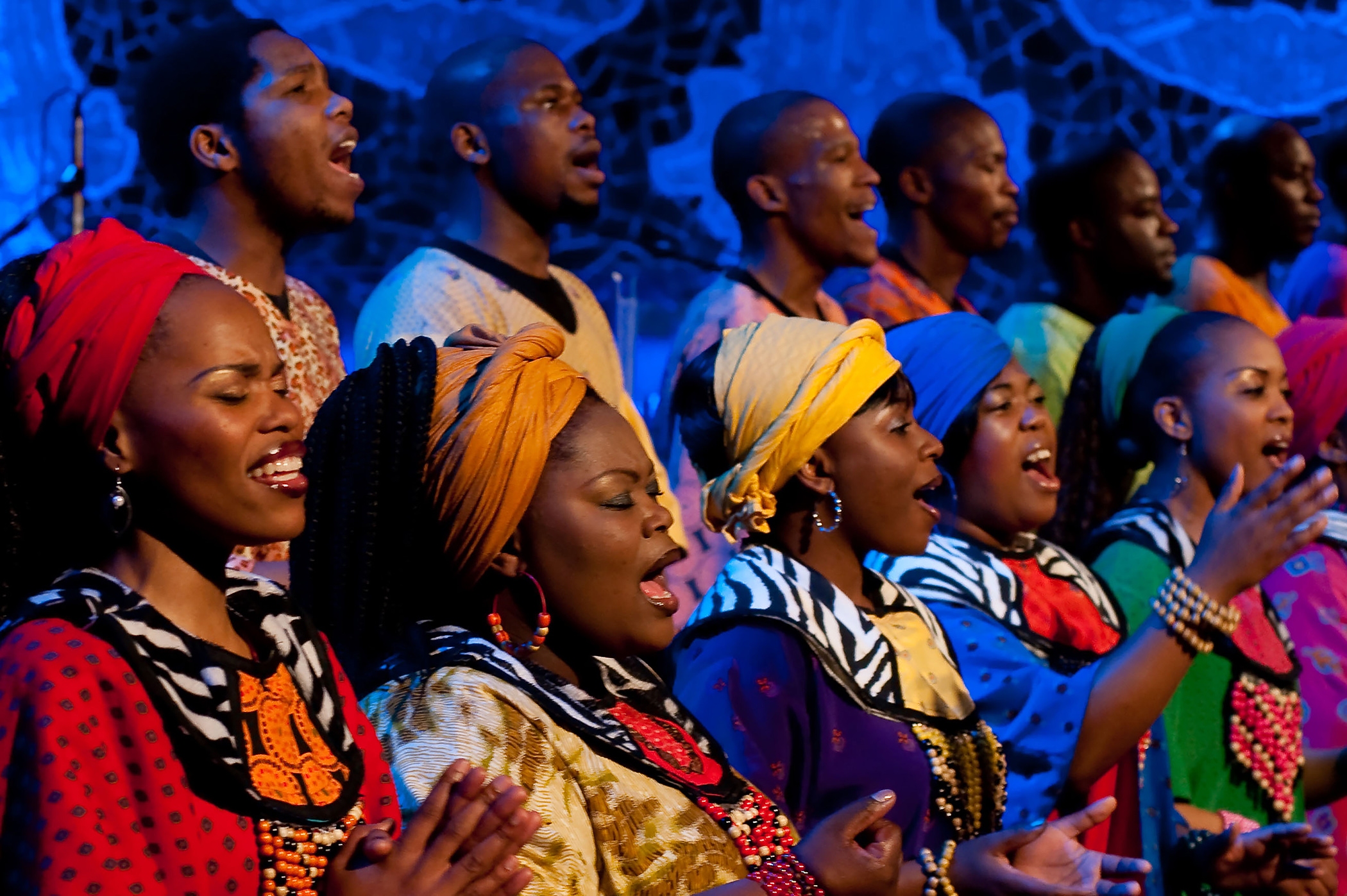
Group singing and prayers are rituals that unite people of a community, a social or religious group providing a sense of solidarity/joy/comfort/motivation, depending on the occasion. One can mention here the clapping and singing of the people confined to their homes during COVID; or the French public singing hymns when their beloved Notre Dame cathedral was burning. During wars and natural calamities, pujas and havans are organised in temples for the same reasons.
It would be pertinent here to mention the elaborate funeral rituals of Hindus spread over nearly two weeks of daily rituals. Performed by the children and other close relatives, the mechanical actions necessitated by the elaborate rituals serve to numb the pain of the loss. The monotonous mantras, which are quite distinct from mantras chanted at auspicious functions, also serve to dull the senses. By the time the rituals end, and routine is resumed, the severity of the pain has reduced a bit. The importance of these funeral rituals, and the wisdom behind them came home to me some years ago while watching the last rites of Gen. Bipin Rawat being performed by his two young daughters. One can only imagine the trauma the girls must have been undergoing, having lost both their parents in such a ghastly manner as they carefully followed the instructions of the Panditji.
The topic of rituals is so vast and colourful that a mere blog post cannot do justice to it. It would do humanity a world of good to look at our rituals with understanding in the right perspective and not dismiss them as superstition to be mocked with derision. Societies which have not been exposed too much to mechanical modern lives have managed to keep their various rituals alive and thus their culture. Suffice to say that they are so powerful, that in addition to all their functions discussed above, they are essential for keeping the customs, traditions and culture of a community, and even a Civilisation alive and thriving. During genocides and wars, the displaced mass of humanity clings to the rituals of their people to find a semblance of familiarity and home under the worst conditions in alien lands. One can cite the example of the followers of Judaism — one of the most persecuted of people spanning millennia — who have managed to survive only by strictly adhering to their many rituals, even if the number of those who do, is reducing.
More on rituals here
Pics: Homepage: https://pixabay.com/ Top– https://www.nurskincare.com/ Bottom: https://news.uga.edu/




 The Cybernag
To me rituals are of three kinds like 1)some ordained by the religion one belongs to,
2)another based on social customs or protocol laid by the founding fathers and amended from time to time and
3)third individual patterns or habits of doing day today things.
I would not call the last as ritual at all.
Over the years with far reaching changes in way of living even the first sastraic category keeps altering. Many of the rituals of religious type have been given up or abridged both in rigour and content even in conservative families. They follow the shortened form, a mere shell without the content.
There is no point in bemoaning the ruthless and inexorable changes taking place whether one likes or not.Many rituals have lost the relevance yielding place to newer forms.Look at how the traditional marriages were conducted five or six decades back and the way they are celebrated.
Luckily, none of the present day youngsters know anything about the traditional rituals to bother about.
LikeLike
I am so sorry to have missed replying to comments on this post, especially yours with so much insight. Kindly excuse me. You have summed up the different kinds of rituals so well. You are right about the last category, but only because they are either routines or habits. If we turn some of them into proper rituals, they would assume meaning and give joy to us, don’t you think?
Rituals are not rigid ones and like our dharma itself, they are ever evolving. The only problem is that they are becoming ‘routines’ instead of remaining rituals, which take away from their meaning and worth. If you talk of marriages of yore, you’d agree that most of the rituals were social customs which have lost their relevance today. The main rituals of marriages still remain and are universal in the various regions and states of country.
Why would you say that the youth are lucky to not know of traditional rituals? I would deem it unfortunate that they are so disdainful as to not try to understand the significance of our customs and traditions.
LikeLike
I’m certainly not religiously ritualistic I think, but yeah I do adhere to the daily activities (like you’ve mentioned in your post) in a ritualistic manner that brings about an easy routine for the day !
Your post has summed it up beautifully as always ! 👌
Great job !
LikeLike
I am truly sorry for not replying to the comments on this post. As I have said in the post, rituals bring to mind only religious ones but there are so many meaningful ones which we can create for ourselves to enrich our lives, aren’t they?
LikeLike
I have never been ritualistic. But after reading this post, I realize it was a mistake. Some rituals are essential. As you said, they give you a sense of home–and homecoming.
LikeLike
I try creating new and satisfying rituals to satisfy my sense of aesthetics and home. I remember us discussing religious rituals once and you telling me that you don’t have any. But I didn’t know you didn’t have rituals of other kinds either. Do create some awesome ones or try to recognise some routines which are actually rituals!
I have since added a note about rituals being equated to religious rituals alone. In my originally loooooong post, it was there, but in all the cutting and pruning, it had got cut off too!
LikeLiked by 1 person
We do have other rituals. Our breakfast being one… the most elaborate and ‘together’ meal of the day. No one is allowed to respond to phones while we are at the table. Once breakfast is over, we adjourn to my room and chat for nearly an hour more. Then off to our respective ‘jobs’.
LikeLike
That sounds like a perfect ritual. I love it!
LikeLike