

The festival season is here! To repeat a cliché, India is the land of festivals – each more colourful and grander than the other. Some are celebrated across the country, some in particular states and some in particular regions and communities. They offer a socio-cultural-religious smorgasbord of celebrations, replete with elaborate pujas, singing, dancing, artful rangolis, and, not to forget – the most delicious of prasadams!
Though the entire year is strewn with colourful festivals, it is from the month of Ashadha (July-Aug) that the major festivals and vrats begin. Chaturmas — a period of four months, which is dedicated solely to divine worship, begins with Ashadi Ekadashi. Human celebrations, including weddings, do not take place in these four months.
What is Chaturmas? It has to do with the day and night cycle for the devatas. For the devatas, one Earth year is equivalent to one day, with the first six Lunar Months being the day and the next six night.In this cycle, the period of chaturmas is roughly the time of sleep for the Devatas. It starts with Ashadi Ekadashi, also known as Devshayani Ekadashi (Dev+shayani=sleeping of devas) or Harishayani Ekadashi (Hari+shayani=sleeping of Hari) as Sri Vishnu is believed to go into yoganidra in Vaikuntha, for the following four months. He wakes up on the eleventh day after Deepavali, which is celebrated as Devotthan Ekadashi, when the devatas are supposed to wake up from their slumber. (Read more about Chaturmas here)
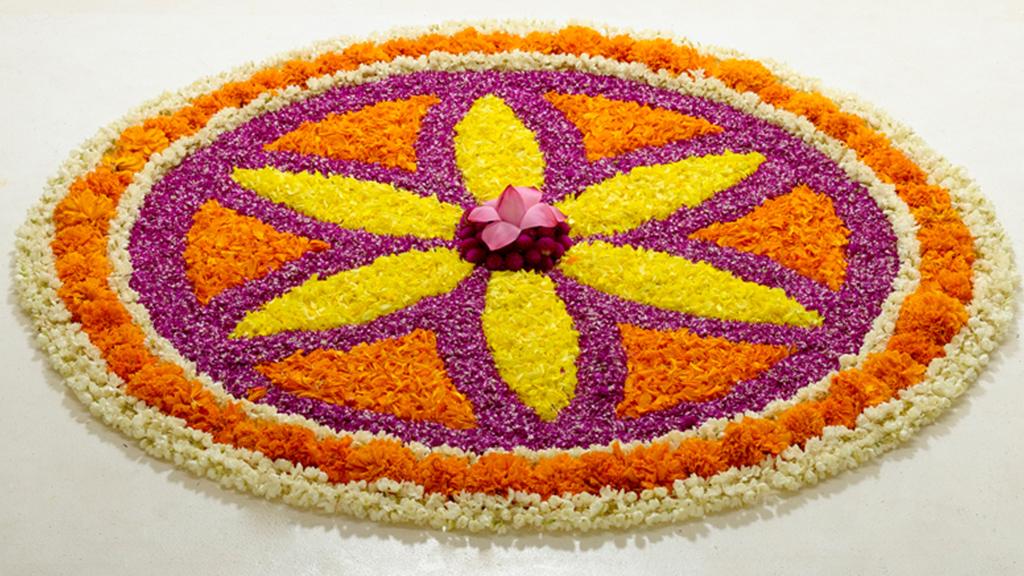
Among the festivals and vrats that fall during this period are many pan-Indian festivals like Deepavali, Dushera/Navaratri and Sankranti (with its numerous regional names like Pongal and Makar Sankaranti), regional festivals like Ganesh Chaturthi, Kartigai, Onam, Holi, Teej, and, festivals specific to particular to local deities of those communities that worship them. Here I must mention the Guru Purab, the celebration of the Jayantis and anniversaries of the 10 Sikh Gurus — with Guru Nanak Jayanti being the grandest of them all. And then we have some important vrats like Satyanarayan Puja, the various auspicious Ekadashis, and more, that are held by the devout across the country throughout the year.
All our festivals are closely associated with Nature, which is reflected in the worship of other living beings like trees and plants (peepal, tulsi), cattle, birds, even snakes, on designated festivals. The vrats and naivedyams/bhog likewise are season specific with certain items of food omitted or recommended during vrats and festivals, keeping in mind the health of humans.
Big or small, each festival has some legend – sometimes several different versions behind it, with specific customs and rituals prescribed for them. Even pan-Indian festivals like Navaratri/Dushera or Deepavali, are celebrated in unique and diverse ways in different regions of the country. The religious rituals, social aspects and the naivedyams offered to the Deity can all be as diverse as the regions and the people living there. Talk of unity in diversity!
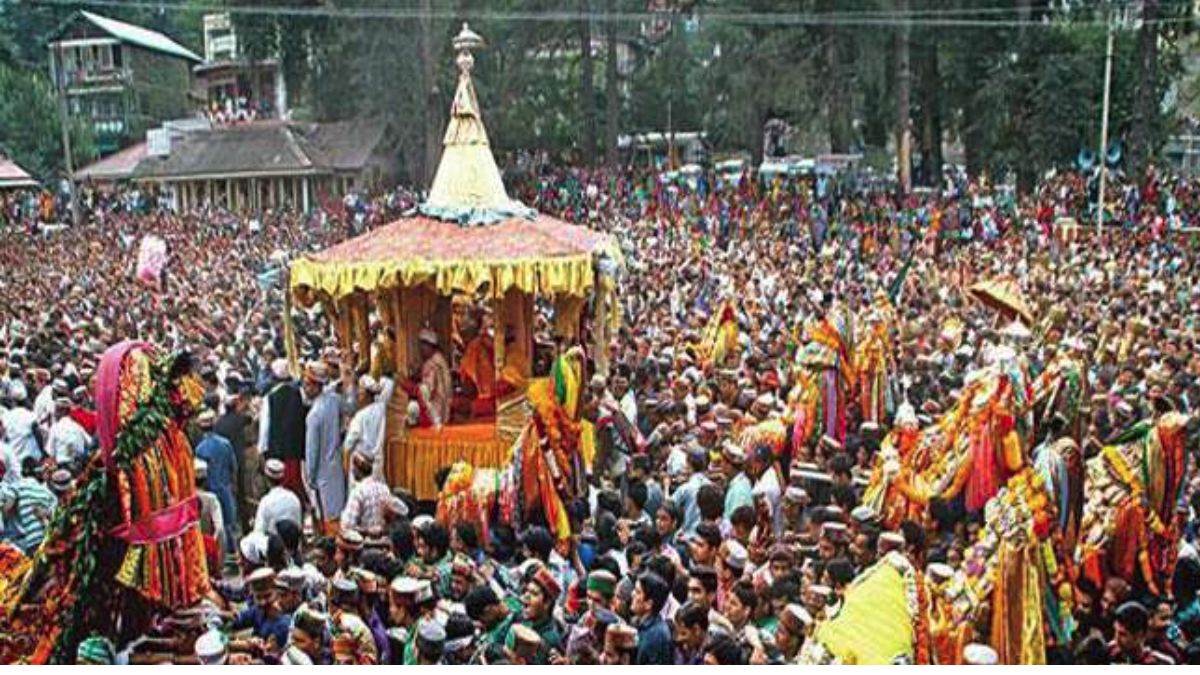
- The nine aspects of Shakti as Navadurgas are worshipped on the nine days with rigorous fasting, the Mata di chowkis and Jagrans (all-night bhajans and dancing) in Punjab and Delhi. Ashtami is dedicated to Durga and in the northern regions, pre-pubescent girls are invited to homes for kanyapuja called kanjak; Ramleela performances, Ravan dahan and village melas mark the celebrations in Uttar Pradesh and other northern states; the grand Durga Pujas of West Bengal and Assam bring the whole regions alive with grand pujas in elaborate pandals, and melas, making them a community celebration; the night-long garba and dandiya performances are the hallmark of Navaratri in Gujarat; the colourful and artistic kolu (golu) of Tamil Nadu and Andhra involve the entire family, with different sweets and sundals every day offered as naivedyam. Girls and women deck up in all their finery and visit each other’s houses to exchange haldi-kumkum and gifts; the picturesque Dushera procession of Mysore is world famous for its pomp and pageantry; Himachal and Jammu have their own colourful Dushera processions too.
- Likewise, for Deepavali too, there are so many variations in celebrations as well as the legends behind them. Three deities – Rama, Lakshmi and Krishna are worshipped on this day in different parts of the country. The three different legends behind the worship of different deities have to do with the yugas they manifested themselves. It was on this day in Satyug that Lakshmi emerged out of sagar manthan (churning of Kshir Sagar with the help of Vasuki the snake god), and was made the goddess of wealth; it was the day in Tretayug that Rama returned from Lanka after vanquished Ravana; it also happened to be the day in Dwapar Yug that Krishna and Satyabhama slayed Narakasura. In Eastern Uttar Pradesh and Bihar, the sixth day after Deepavali called Chhath is the most important festival. On this day goddess Chhathi maiyya, as also Suryadev are worshipped on riverbanks with special offerings and pujas.
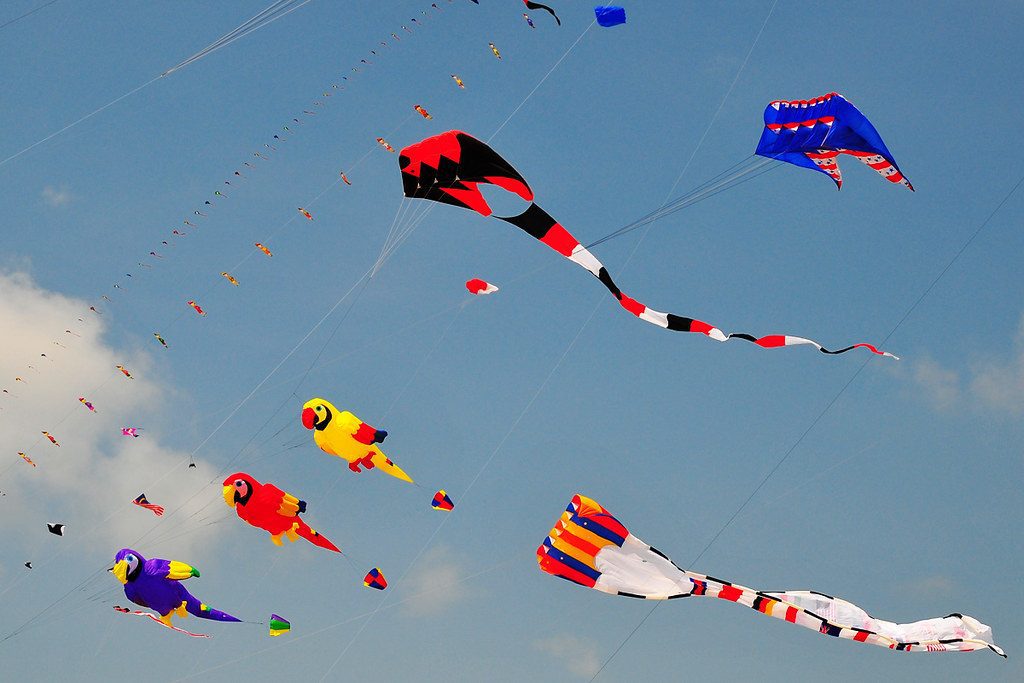
- Sankranti is another festival celebrated across the country with variations both in the name as well as traditions. It is both a harvest festival and the day marking the beginning of the northward journey of Surya (Uttarayan), as he enters the Tropic of Capricorn. Gujarat has kite-flying — including international kite-flying competitions; bullock-cart races and bullfights are popular in Karnataka and Tamil Nadu; exchanging of sesame seed sweets with friends and neighbours, along with haldi-kumkum for women is prevalent in M
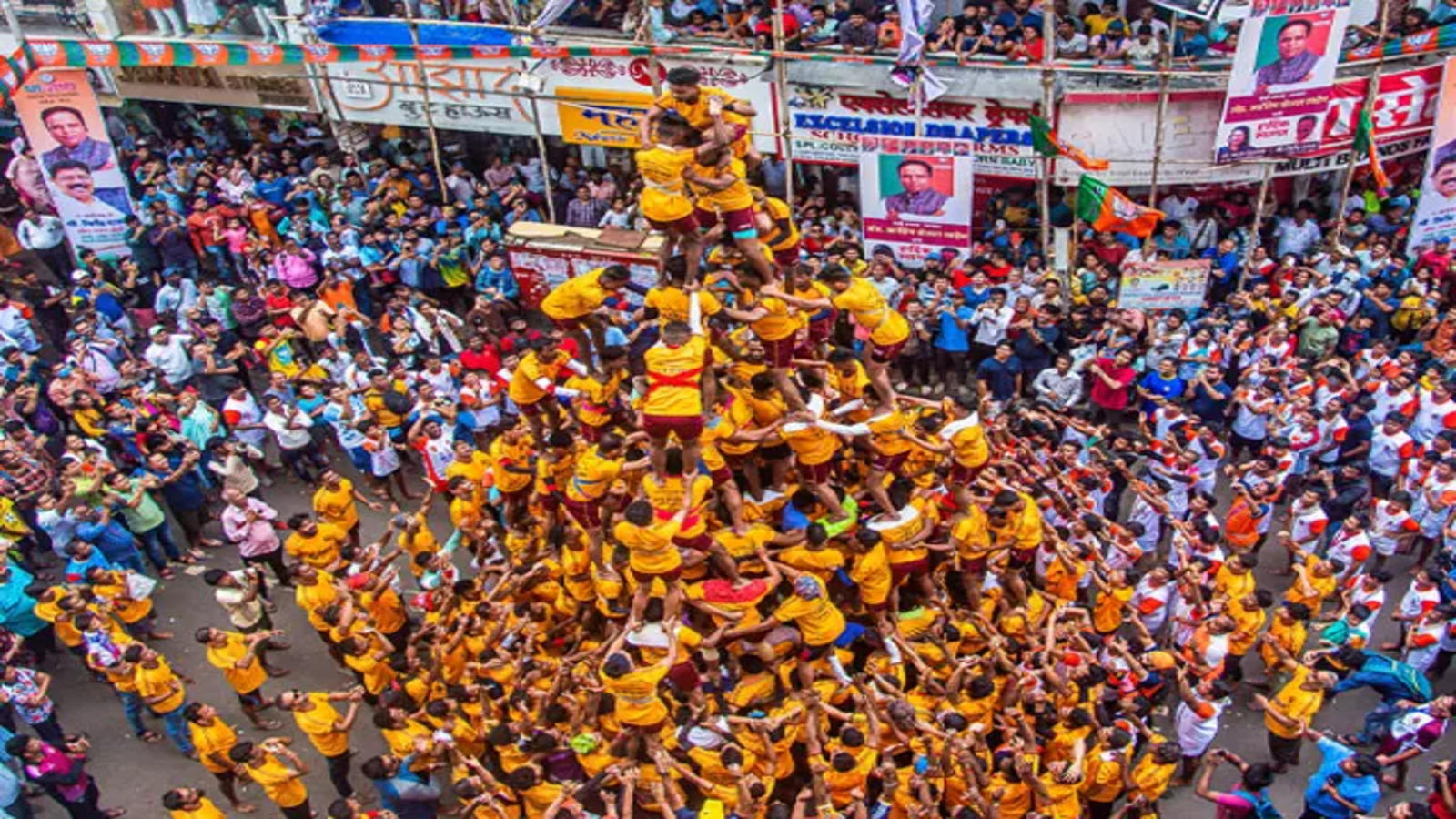
- A fun ritual called Dahi handi is celebrated the day after Janmashtami in Maharashtra, Gujarat and Goa. Symbolising Krishna’s childhood exploits of stealing curd and butter from pots hung high from the ceiling, groups of young men and boys break the pots of curd hung at heights of up to 30 feet, by forming human pyramids. Mumbai is known for some of the most famous and daring dahi-handi events. ead the history of Dahi Handi here.
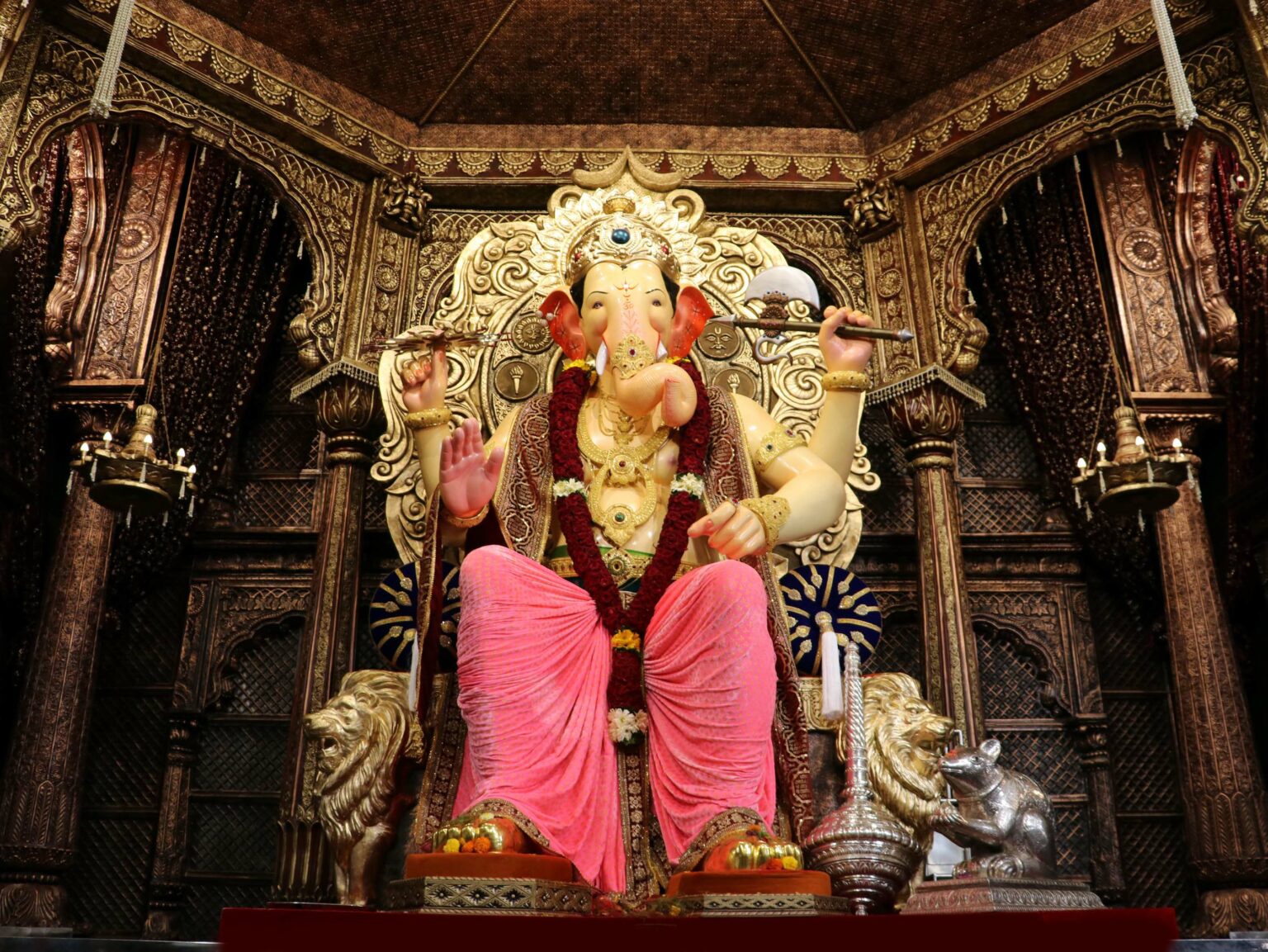
While Ganesh Chaturthi is celebrated in homes in most of south of India, it is a community festival organised grandly in Maharashtra with iconic murtis installed by various Ganeshotsav mandals. This tradition was started by the great Freedom Fighter Lok Manya Tilak as a means uniting Indians during the Freedom Movement. Lalbaugcha Raja of Mumbai, is considered the richest and most famous of them all, the visarjan procession alone taking almost 24 hours.
Naivedyam/ Bhog
The naivedyams offered to the Deity is an important part of the festivals and are as varied as the celebrations. It would take several posts to cover them all. Just as the celebrations are varied, so are these also varied in different regions. The significant thing about them is that they are all instituted with an eye to the season, the produce of the season in that region, and the health of the people. For instance, til is heat producing, making it a good choice for the winter festival and so we have til laddus and dishes with til added to them. Another common dish made during the Sankranti festivities across the country, is the one made with a medley of vegetables. Though the recipes and ingredients for this dish might be different, (bhogichi bhaji in Maharashtra, vegetable khichdi in the north, avial in the south, and so on), they all use the fresh produce to make the dishes.
To give you another example of the season-specific special offerings, the full moon day following Deepavali, is celebrated as Kojagiri or Sharad Purnima in Maharashtra, West Bengal, Assam and Orissa, when people stay awake all night to welcome goddess Lakshmi into their homes. The special offerings on this day are spiced milk and kheer made with rice. Do you know why? This festival comes at the end of the monsoon, during which the pitta in the human body is aggravated. And milk is a natural neutraliser for the acidic tendency of the body! And we think science was ‘discovered’ in the West!
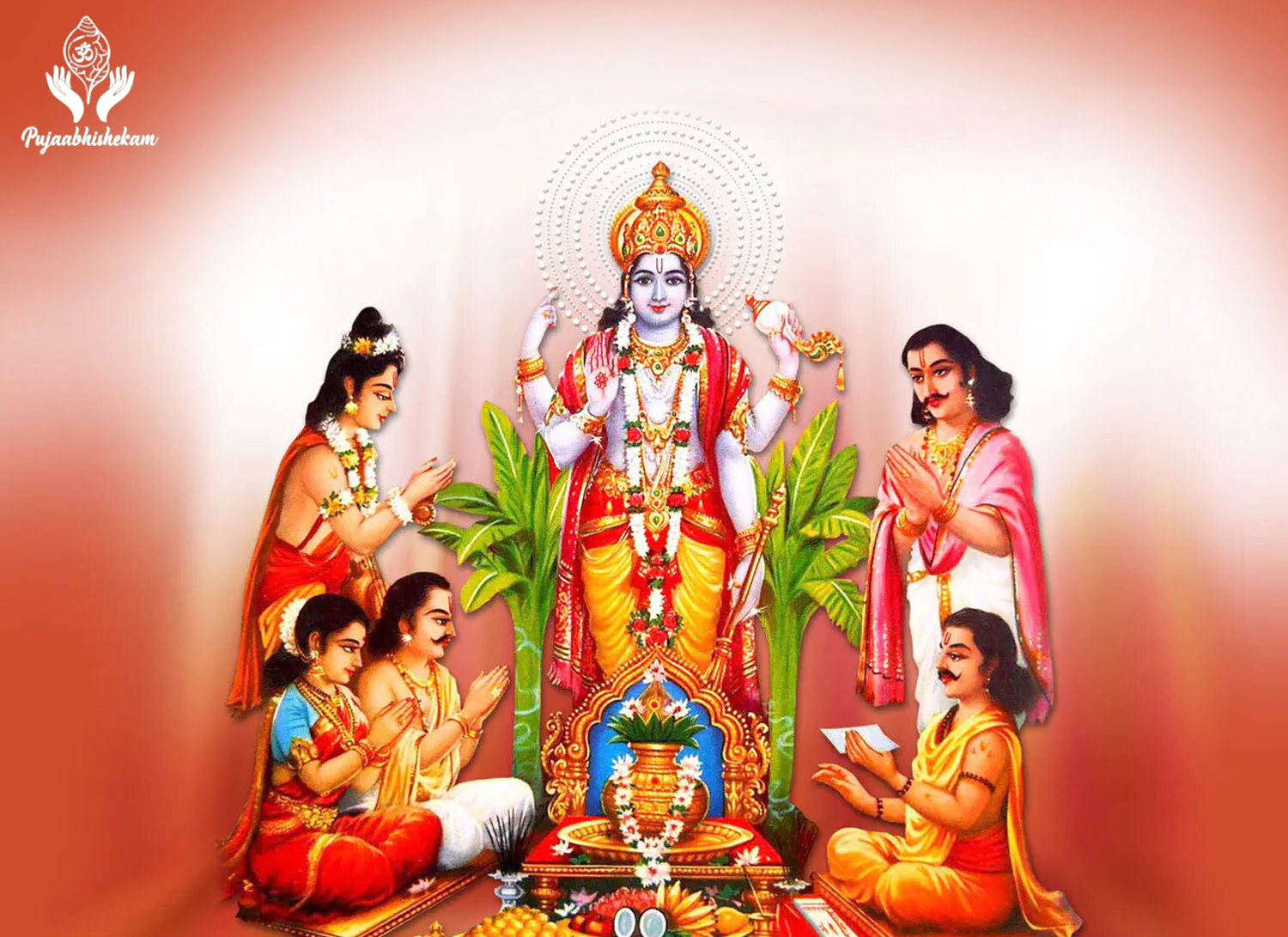
If you have attended any Satyanarayana puja anywhere in the country, you would know that the main prasadam is sheera/kesari/sooji halwa. Likewise, Ganesh Chaturthi is not complete without modaks and laddus in all regions where it is celebrated. Janmashtami offers an occasion to display the culinary talents of womenfolk, especially in the south, where a huge number of sweets and savouries are made as naivedyam. Tiny fet of Krishna are made with ground rice paste to welcome Him into the house. In the north, chappan bhog or a thali with 56 offerings is made to Krishna, which includes dry fruits, milk sweets, fruits and other dishes, both sweet and savoury.
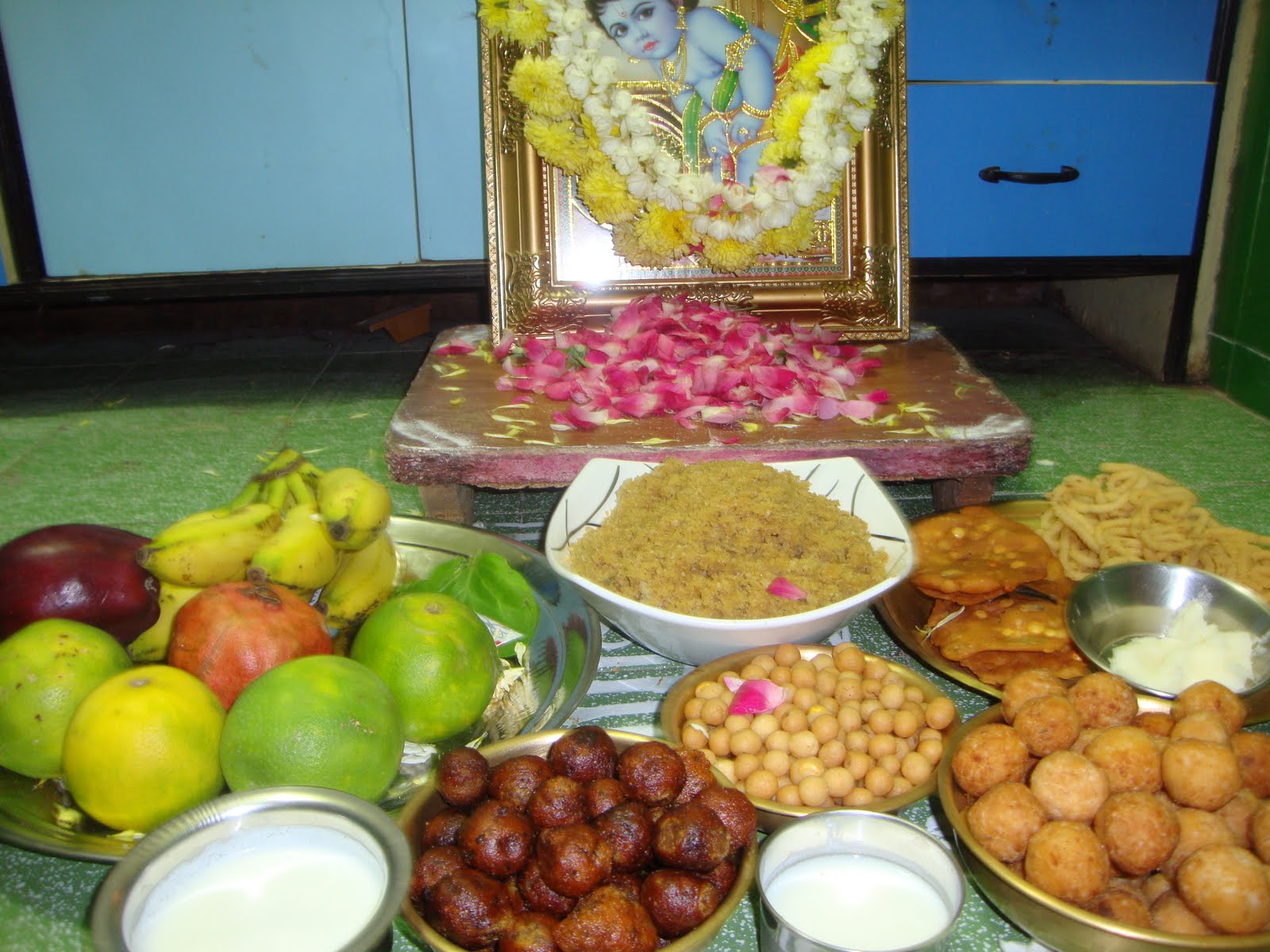
There is an interesting legend about the number 56. During the deluge unleashed by a jealous Indra, that threatened to drown Gokul, Krishna had held up the mountain Govardhan for seven days and nights to offer protection to the inhabitants. In the duration, he had not eaten a morsel. So, the grateful people made 56 dishes (8×7) and offered them to Krishna to make up for his fast!
No matter what the legends behind them, or how different the celebrations are, the common thread running through them is one of exuberance, suffused with devoutness. We do not have any day of mourning or observe fasts to mark a sad event in the lives of our deities as Abrahamic religions do. Thus, we celebrate Rama’s birth and his return to Ayodhya after slaying Ravana, but do not mark the day he is banished to the forest or when Sita is abducted. We bring home Ganpati with drums and dance, but do not weep while doing visarjan. Instead we lustily cheer, ‘Ganapati bappa Morya! Pudhchya varshi lavkar ya!’ (Ganapati Bappa, come back soon next year).

This topic is so vast, that it can easily become a book, but this being a blog post, I should stop here 😊
The season of all the glorious and colourful festivals are upon us, and tet us all celebrate them with joy – all of them. If the traditional rituals are daunting, don’t give them up. Instead, just downsize, customise, and adapt them to suit your situation and convenience, and enjoy!
Happy festivities to all!
A version of this post was first published at my friend Gomati’s blog Hell It’s Mine. She is an educator, and her posts on issues related to children are insightful and very useful for parents. Do check out her blog, especially her online shop, Crazy Wise Owl Shop, where she sells worksheets and activity books for children, as well as other merchandise like calendars and planners.
Images: Dushera https://www.jagran.com/himachal-pradesh Ganapti visarjan https://www.lokmat.com/ Kites: https://www.savaari.com/
Gokulashtami https://www.subbuskitchen.com/ Kulu Dushera https://www.jagran.com/himachal-pradesh
Pookalam https://www.keralatourism.org/ Deepavali https://indiator.com/ Homepage: https://www.namoastro.com/




 The Cybernag
Your article is as enlightening as it is informative. There’s so much we still don’t know and follow the celebrations blindly.
Also thank you for mentioning me and my blogsite in your article.
LikeLike
Thank you Gomati. I thought it was time to repost it on my blog, with festivals knocking at our doors 🙂 But of course your blog would get a mention and appreciation, for being such an entertaining and informative one among other reasons!
LikeLike
Very informative article.
LikeLike
Thank you Geetashree! Just a small round up for those who might not be aware of the plethora of festivals we have 🙂
I am sorry to have got your name wrong on the comment. I have corrected it since.
LikeLiked by 1 person
wonderful. article about hindu festivals. Great👍👍
LikeLike
Thank you Vidyadhar Pande, for reading and commenting!
LikeLike
This is a masterpiece written by cybernag. I don’t know how much effort you must have put in to give such minut details of the festivals of this vast country. I must congratulate and give my salute and best wishes. Please keep it up. Thanks for the great job done. 👌🙏❤️🚩🌹🙌👏👏
LikeLike
Thank you Rameshwar, especially for pointing out the omissions like Guru Purub and the mention of Lokmanya Tilak. Most of the details are in my memory, having celebrated and seen them being celebrated over my lifetime. When I need any clarifications, I refer to a couple of trusted websites.
LikeLike