
Silence is at a premium today. I am not just talking of the noises around us – traffic, music, talking, shouting, etc., but the constant chatter which is not even verbal. Social media, text chatting, videos and more have stolen our silence and the great benefits they bring us.
I would also add solitude and solo activities to it, for, despite all the clamour for ‘me-time’ by everyone from a toddler onwards, there is little solitude in such time-outs as it is spent talking with the Bluetooth in their ear or headphones on, talking while walking – even on busy roads. The maids, the college students, the young professionals, the elderly…With data being the cheapest in the world, Indians are incessantly talking. In short, the time-alone is only to be away from real people, to spend time with virtual ones. Some me-time that!
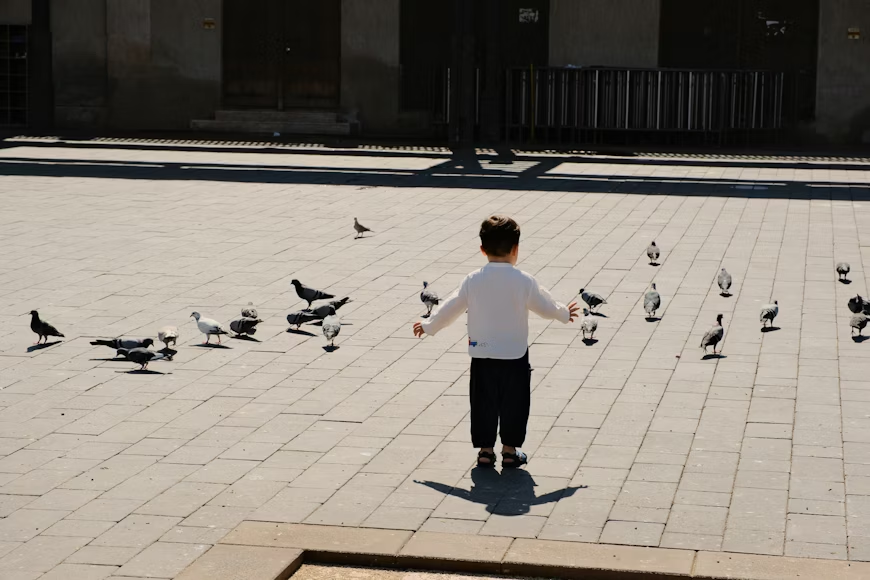
Schools generally encourage group activities and interaction through the school day, to make children sociable, capable of working with others and be team players. But such group activities continue with sports practice, art and other classes even after school hours, leaving little time for solo activities. Realising the importance of solo activities with benefits like creativity, independence and resilience, among other things, schools in the west are now encouraging children to work by themselves. According to psychologists, enjoying one’s own company is a very important part of human growth, beginning in childhood.
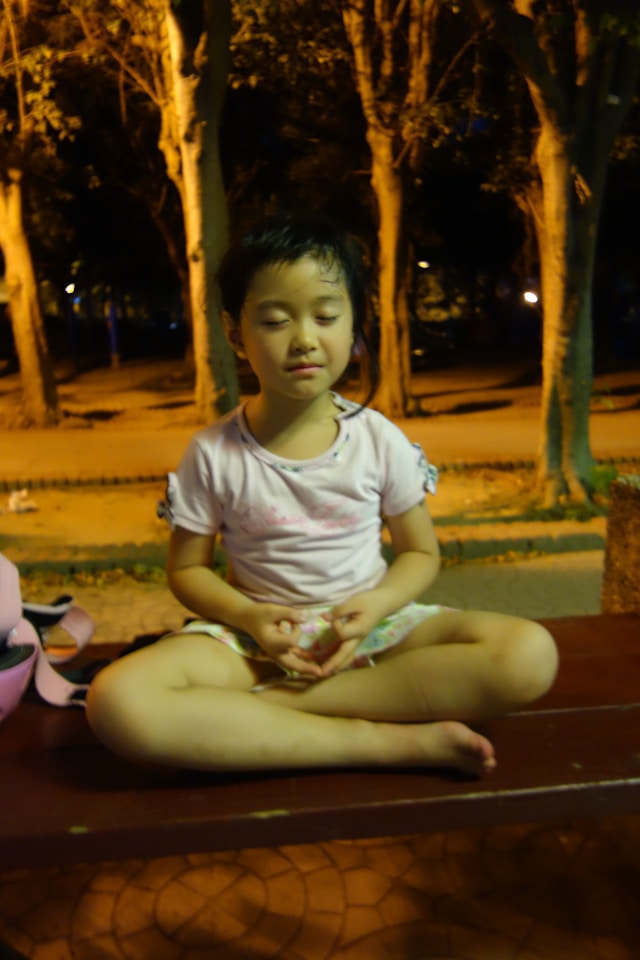
While this is a good start, practising sitting still and silent at least for some time every day, not just during classes but as a deliberate activity, is a good start. There is no need to get into the formal meditation mode, but just sitting still, silent and enjoying that state, without itching to ‘do’ something is good enough. That is the real ‘me-time’, if you ask me. While restlessness and constant movement and activity define childhood, the skills of stillness and silence are equally important.
Going through life, surrounded by friends and loved ones, and a big virtual ‘friends’ circle might be desirable and beneficial as per psychologists. But is it practical? People move, fall out or pass on. One may be unable to continue an active social life for more than one reason. And then what? Does one go into depression? Pester family and friends to take them around or entertain them? Unfortunately, life doesn’t work that way. How many adults, especially elders in their 70s and 80s go through pangs of loneliness and depression because of the above?
To give them their due, they grew up in times when multigenerational families were the norm, and surrounded by people, they hardly enjoyed any privacy or gainful solitude. So, when they have to live with the younger generations, which are too busy with their own work and studies, unable to (and sometimes unwilling to) give their elders much company, they feel rejected and lonely. Elders who, having had a full social life, and possibly having been popular too, might have failed to develop any form solo activities, hobbies like gardening, or even knitting and doing the crossword, or spiritual pursuits, which can be practised in solitude, without making them feel sidelined.
Those who have worked with others — like teachers, public servants, or social workers — might find the loneliness after retirement tough to handle. Expecting old colleagues, students or others whom they have worked with, to be around them is not only unrealistic, but also unfeasible. Of course, if one is lucky enough to have a circle of close friends who meet regularly, it is great. But for the rest, it can be difficult. It is worse when they reminisce about the times they were active and popular, and either turn bitter or become depressed.
Many older people take to spiritual pursuits like yoga, meditation, or participating in religious activities in the community, which are very good if they help them to find peace and fulfilment. Thanks to technology, it is also possible to be keep in touch with loved ones and participate in groups online, learning new skills or just ‘hanging out’ with old friends, when it is not physically possible to take part in these activities.
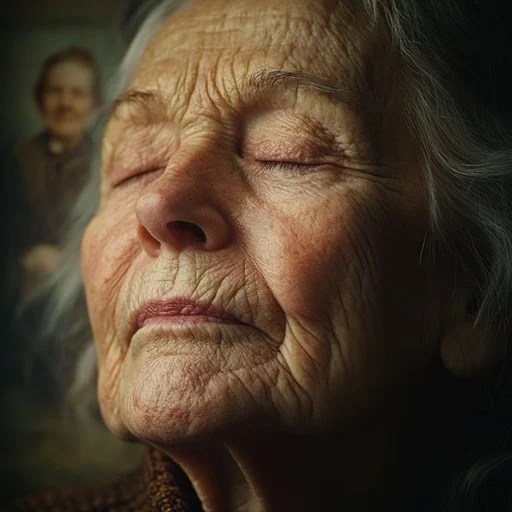
I know of elders who can simply contemplate silently and peacefully when alone. I know of one such bedridden elderly woman, who needed assistance to even get up from the bed and move about. Though she had care-givers round the clock, she was mostly alone, as her son frequently toured on work. She found handling the phone difficult, afflicted with arthritis, so didn’t talk much to anyone other than her children. She hardly left the room she stayed in, was not keen on watching TV, but never complained of boredom or being alone. When asked if she was not bored to be housebound, she replied that she had her Saibaba with her always. Such faith! She had never visited Shirdi but had no regrets about it either. A contented soul, not surprisingly, she had the most peaceful passing – in her sleep.
This might be a rare and extreme case of being content with one’s own company, and feeling a divine presence around, but it is not difficult to practise a simpler form by anyone of us. And as I said, it is never too early to start enjoying solitude, engaging in solo activities and practising stillness and some form of spiritual pursuits (not just religious rituals), without the need for continuous stimulation, restless activity and constant company of others, either physical or virtual.
Disclaimer: This post is a general one. We are not discussing (a) highly introverted people who are content with their own company (b) socially challenged people like the characters Lucas and Ove of Frederik Blackman who want to be left alone! (c) naturally quiet people who easily take to solo pursuits (d) those afflicted by Sociophobia or social anxiety disorder (SAD).
Images: Homepage : https://unsplash.com/@amruthavm96 Top: https://unsplash.com/@arthur3607 Little boy: https://unsplash.com/@zhziq Bottom: https://stockcake.com/





 The Cybernag